







Search Results for: Extraction Pressure
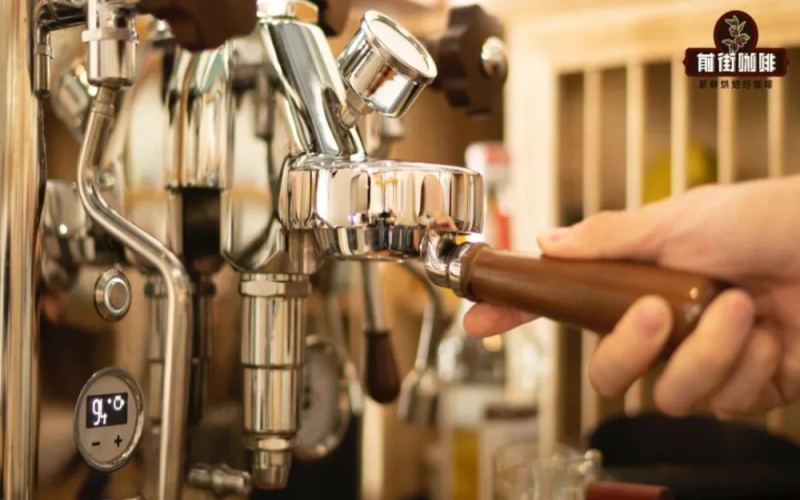
Why Is 9 Bar the Standard for Espresso Extraction Pressure? Measured Differences Between 6 Bar and 11 Bar and Ideas for Parameter Adjustment
In the extraction parameters of espresso, pressure is often regarded as a variable that is not easy to adjust but has far-reaching effects. This time, Front Street Coffee focuses on this "hidden key player"—extraction pressure. The article first clarifies the difference between extraction pressure and pump pressure, then through three comparison experiments at 6 bar, 9 bar, and 11 bar, demonstrates how pressure changes affect flow rate, time, and flavor performance. It then explains why 9 bar has become the factory default for coffee machines, and the burnt bitterness that may result from pressures above 10 bar. Finally, it briefly mentions the trend of variable pressure extraction, providing coffee enthusiasts with a clear reference for understanding pressure and parameter adjustment. [more…]
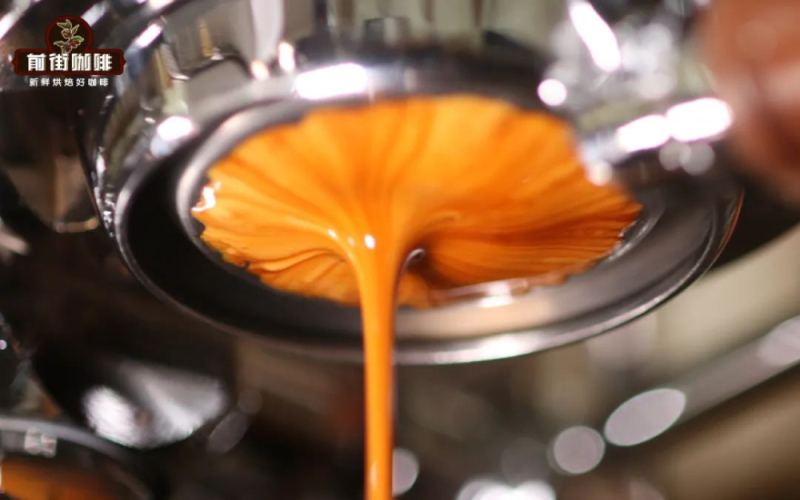
Why Is Espresso Extraction Pressure Locked at 9 Bar? A Complete Analysis from Pump Principles to Flavor Comparison
In espresso extraction, pressure is an often overlooked yet crucial parameter. Starting from Front Street Coffee's extraction practices, this article first sorts out the five core elements—coffee beans, dose, ratio, grind size, and time—and then takes a deeper look at how pressure affects espresso flavor. You'll learn the difference between pump pressure and extraction pressure, the differences between vibratory pumps and rotary pumps, and a practical comparison of coffee performance at three pressures: 6 bar, 9 bar, and 11 bar. The article also traces the origins of 9 bar becoming the industry standard and explores the new possibilities that variable pressure extraction brings for flavor adjustment. [more…]
Why Is the Standard Espresso Extraction Pressure 9 Bar? Front Street Coffee Analyzes How Pressure Affects Coffee Flavor and Crema
In espresso extraction, pressure is often glossed over, yet it is a core parameter that determines the direction of flavor. When Front Street Coffee shares espresso knowledge, it repeatedly emphasizes the five key factors: coffee beans, dose, ratio, grind size, and time. But what truly dictates espresso quality is also pressure. This article starts by distinguishing pump pressure from extraction pressure, compares extraction performance at 6 bar, 9 bar, and 11 bar, explains why 9 bar has become the recognized standard, and retains product information for Front Street Coffee's Black Cocoa Base Blend and Queen's Estate, helping coffee lovers understand pressure profiling and the trade-offs in concentration. [more…]

A Detailed Explanation of the Causes and Adjustment Methods of Espresso Machine Extraction Pressure Fluctuations
Espresso serves as the base for drinks like lattes and Americanos, and the golden, velvety layer of crema on its surface has always been a focal point for coffee enthusiasts. To consistently achieve ideal crema performance, controlling extraction pressure is crucial. Starting from Front Street Coffee's practical experience, this article first explains the principle behind espresso crema formation, then discusses the impact of 9 bar pressure on extraction efficiency, followed by an analysis of the specific symptoms of insufficient or excessive pressure in espresso machines, and finally outlines the common causes of insufficient pressure. Whether you use a vibration pump or a rotary pump model, you can find ideas for troubleshooting and adjusting pressure, ensuring every cup of espresso maintains consistent quality. [more…]
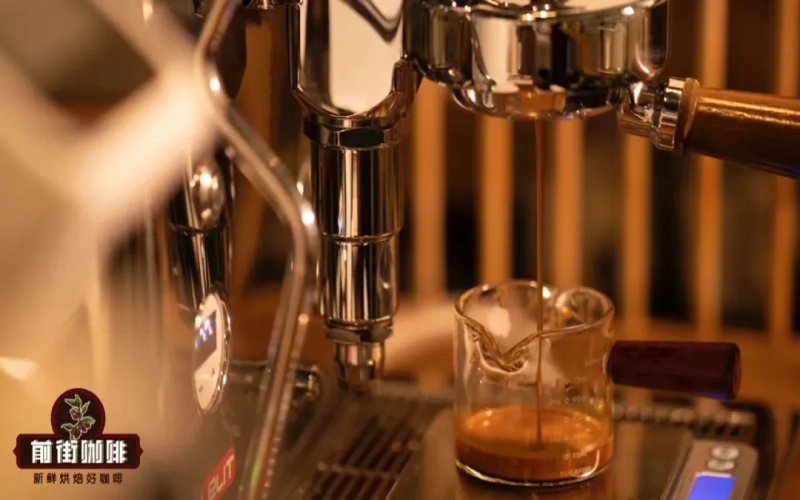
What is the normal extraction pressure for an espresso machine? How should the grind size be adjusted appropriately?
The biggest difference between espresso machines and brewing methods like pour-over and French press is that they use pressurized extraction. It is precisely the presence of pressure that allows espresso to complete extraction in an extremely short time and form that iconic golden layer of Crema. Generally speaking, the extraction pressure of a coffee machine fluctuates around 9 bar, but many home coffee machine users find that the pressure struggles to climb to 9 bar and often stays between 5 bar and 7 bar, resulting in weak and sour coffee. The key behind this actually lies in whether the resistance of the puck is sufficient. This article will analyze the reasons for insufficient pressure and provide specific adjustment suggestions from three aspects: grind size, dose, and tamping force, to help you extract rich and balanced espresso at home as well. [more…]
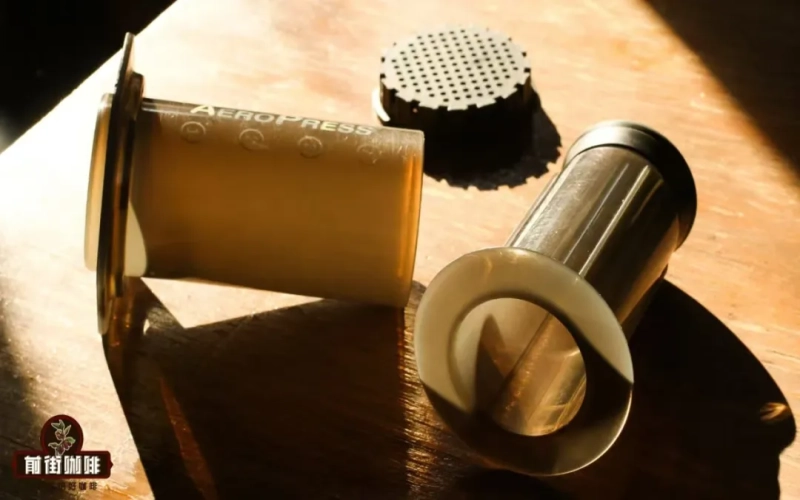
AeroPress Standard vs. Inverted Method Comparison Review: Operational Differences, Flavor Performance, and Equipment Differences from the French Press
The AeroPress is a coffee brewing device that is simple to operate yet offers a wide variety of brewing methods. The official recommendation is the standard (upright) method, but most enthusiasts prefer the inverted method. Through a comparative experiment conducted by Front Street Coffee using Geisha Village Chaka beans, this article provides a detailed analysis of the differences between the standard and inverted methods in terms of operation flow, extraction time, and flavor performance, and explains why the inverted method is more favored. At the same time, the article also compares the AeroPress with the French press, helping readers understand the differences between the two devices in extraction principles and suitable scenarios, providing a reference for daily brewing. [more…]
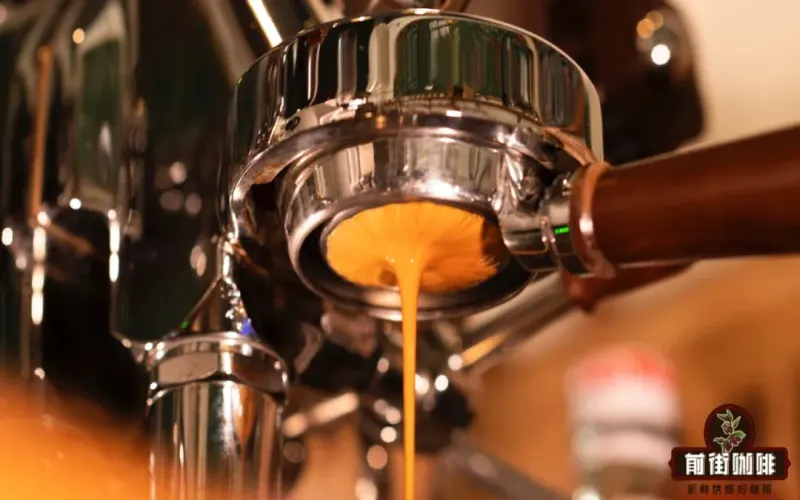
Uncovering the Hidden Factors Behind Unstable Espresso Extraction: How Residual Grounds, Water Temperature, Pressure, Environment, and Chamber Pressure Affect the Flow
Many coffee enthusiasts will notice that with the same beans and the same machine, the flow rate of espresso can change every few hours or even every few dozen minutes, sometimes fast and sometimes slow. Beyond the aging characteristics of the coffee beans themselves, there are actually quite a few easily overlooked hidden factors influencing the extraction results, including residual grounds in the grinder's chute, temperature fluctuations in the espresso machine's hot water, the state of the pump pressure, changes in ambient temperature, humidity and air pressure, and whether the grinder's hopper pressure remains stable in a café setting. Front Street will analyze these factors' mechanisms of influence on espresso extraction one by one, and provide corresponding improvement solutions to help everyone reduce unnecessary adjustments and make their output more consistent. [more…]
Causes and Solutions for Insufficient Pressure in Home Espresso Machines: A Complete Guide from Grinding, Dose, to Tamping
The biggest difference between espresso and atmospheric extraction methods like pour-over and French press is that espresso relies on pressure extraction. Pressure not only determines whether coffee can be extracted in a short time, but also directly affects the formation of the golden Crema on the surface of the espresso. Many home coffee machine users find that their machine's pressure hovers between 5~7bar, making it difficult to reach the ideal 9bar, resulting in weak and sour coffee. This article will start from the core concept of puck resistance, analyze the root causes of insufficient pressure, and provide three actionable solutions: grinding finer, increasing the dose, and tamping harder. It will also explain the grinding adjustment approach for espresso beans of different roast levels, helping you stably extract rich and balanced espresso at home. [more…]
How to Determine Espresso Grind Size? Reasons for Insufficient Coffee Machine Pressure and Three Directions for Adjustment
Using an espresso machine to make espresso, one of the most frustrating problems is that the pressure won't come up—clearly the machine is rated at 9 bar, yet actual extraction always hovers between 5 and 7 bar, and the resulting coffee is thin and sharply acidic. Behind this is actually a close relationship with puck resistance. This article starts from the principles of pressure, analyzes why insufficient puck resistance leads to reduced extraction efficiency, and offers three actionable adjustment directions: grind finer, increase the dose, and increase tamping force. At the same time, combined with the characteristics of beans with different roast levels such as Front Street Classic Blend, Commercial Blend, Huakui SOE, and Natural Red Cherry SOE, it explains how the grind setting should be matched, helping coffee enthusiasts bring espresso extraction back into the normal range. [more…]
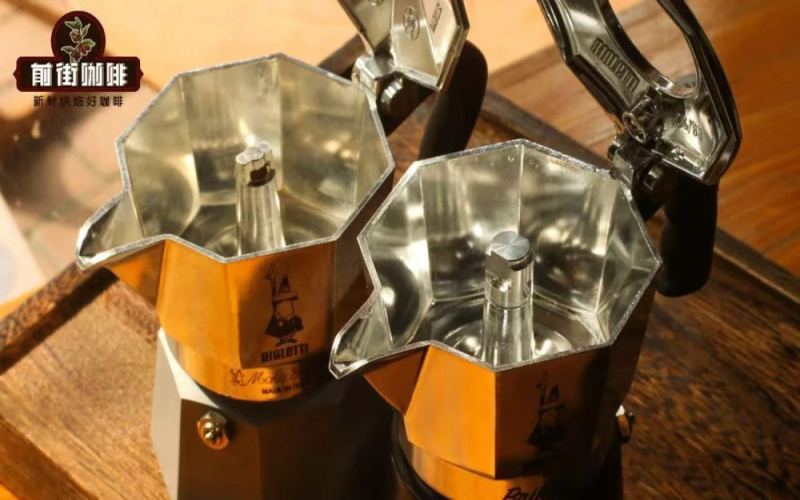
The Complete Guide to Crema Extraction with a Moka Pot: Bean Selection, Grinding, Water Temperature, and Pressure-Boosting Techniques Explained
Many Moka pot users are often puzzled by their inability to extract ideal coffee crema; in reality, this is closely tied to bean selection, grind size, water temperature control, and the pressure of the equipment itself. Drawing on Front Street Coffee's practical experience, this article systematically breaks down the nature of crema in the Moka pot and shares specific methods for enhancing its richness. The content covers tips for choosing fresh dark-roasted beans, key operating points for fine grinding and using hot water, and application techniques for double-valve Moka pots and pressurization accessories, helping coffee enthusiasts make a rich, full-bodied cup of Moka pot coffee at home. [more…]
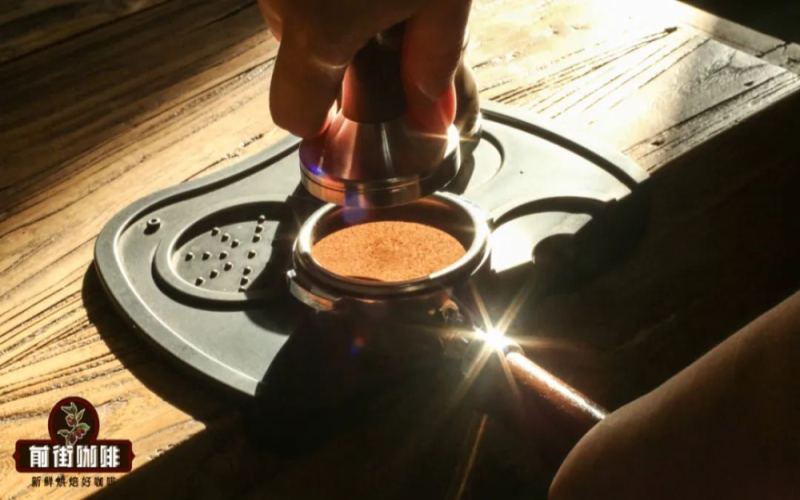
How Much Does Tamping Pressure Affect Espresso Extraction? An Analysis of the 9-Bar Pressure Principle and Distribution Key Points
In the process of making espresso, distributing and tamping coffee grounds are often regarded as the key steps that determine extraction quality. However, how much force does tamping actually require? Do different levels of force really change extraction time and flavor? Through comparative experiments, this article will analyze the differences in espresso extraction time and taste under three conditions: light tamping, heavy tamping, and no tamping, and further explain the actual concept of a coffee machine's 9 bar pressure and its effect on the coffee puck. At the same time, the article will also explain why tamping is still necessary under such high pressure, and how moderate tamping can reduce channeling, allowing hot water to penetrate the coffee bed more evenly, thereby achieving a more balanced espresso flavor. [more…]
How Much Tamping Pressure Is Right for an Espresso Machine? Breaking Down the 9-Bar Extraction Pressure Principle and the Necessity of Tamping
The distribution and tamping steps before espresso extraction have always been a focal point of discussion among enthusiasts. Whether the coffee grounds are evenly distributed in the portafilter basket and whether consistent force is applied during tamping will directly affect the final flavor. But exactly how much force should be used for tamping? Do light tamping, heavy tamping, or even no tamping at all really make a significant difference in extraction time and taste? Through practical testing and comparison, combined with the physical conversion of the 9-bar extraction pressure of an espresso machine, this article reveals the true relationship between tamping force and extraction results, and explains why, even under high-pressure extraction, the step of tamping is still indispensable. In this article, Front Street classic blend coffee beans are used for testing, making it suitable for coffee enthusiasts who want to gain a deeper understanding of the principles of espresso extraction. [more…]

Analysis of the Reasons for Espresso Machine Portafilter Ejection: Key Points on Locking, Gasket Replacement, and Pressure Release Operations
When using an espresso machine, some users encounter a situation where the portafilter suddenly flies off the brew head as if ejected by pressure, scattering coffee grounds all over the counter—this is what's commonly called a "blowout." Front Street Coffee has received similar feedback on multiple occasions, and the causes of this phenomenon fall mainly into three categories: improper operation, aging components, and inadequate pressure release. Regardless of the cause, a blowout not only increases cleaning burden but also poses a safety hazard. This article will analyze specific triggers one by one—including an insufficiently locked portafilter, aging gaskets, and inadequate pressure release—and provide corresponding solutions, such as correct locking force, gasket replacement intervals, and pressure-release waiting techniques, to help coffee enthusiasts complete extraction safely and consistently. [more…]
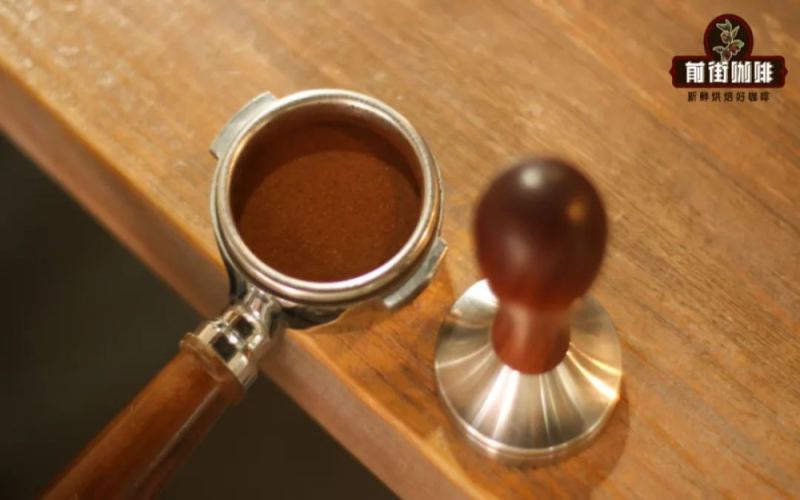
What espresso tamping pressure is actually appropriate? Experiment reveals the relationship between grind size and tamping force
Tamping is a step in espresso making that seems simple but is full of subtle knowledge. Baristas have different understandings of tamping: some believe a light press to level the grounds is enough, while others are used to pressing down with full force. So, does tamping pressure actually affect the extraction result? Front Street Coffee conducted two sets of comparative experiments, using coarse-ground and fine-ground coffee powder respectively, and observed the changes in extraction time after tamping with different pressures. The experiments revealed a key rule: the effect of tamping pressure on extraction is not fixed, but is closely related to the coarseness of the coffee grounds. This article will take you deeper into the true role of tamping, the differences in understanding among different schools of thought, and how to flexibly adjust tamping pressure according to grind size, so that every cup of espresso is more stable and outstanding. [more…]
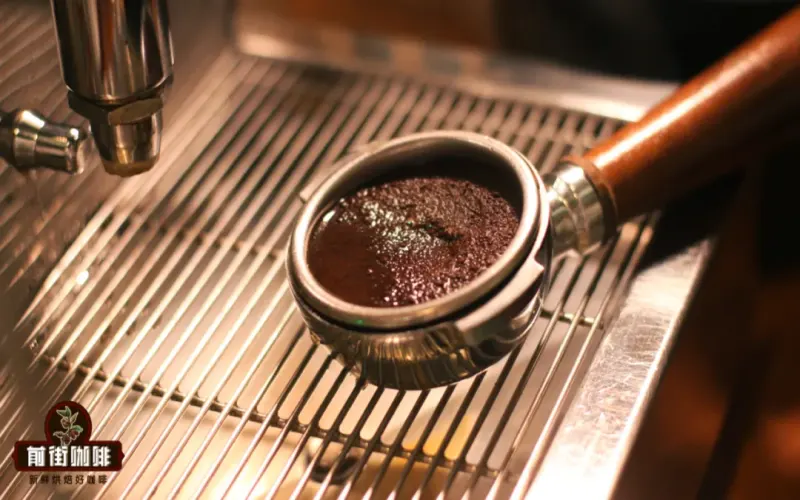
Analysis of the Causes of Watery Puck After Espresso Extraction: How Too Fine Grinding, Too Little Coffee Dose, and Insufficient Pressure Affect the Shot
When pulling espresso, you sometimes remove the portafilter and find a large amount of hot water left in the basket, with the puck wet, even loose and misshapen. This phenomenon not only affects consistency in the cup but also makes it hard to identify the root cause. Starting from the principles of espresso extraction and pressure release, this article systematically breaks down the three common causes of water pooling in the basket: grinding too fine, which impedes the flow of hot water through the coffee bed; using too small a dose, which leaves too much distance between the puck and the shower screen; and insufficient pressure on home machines, which weakens the back-suction effect. It also offers Front Street Coffee's adjustment suggestions to help coffee enthusiasts quickly pinpoint the problem and improve extraction flow rate and puck condition. [more…]
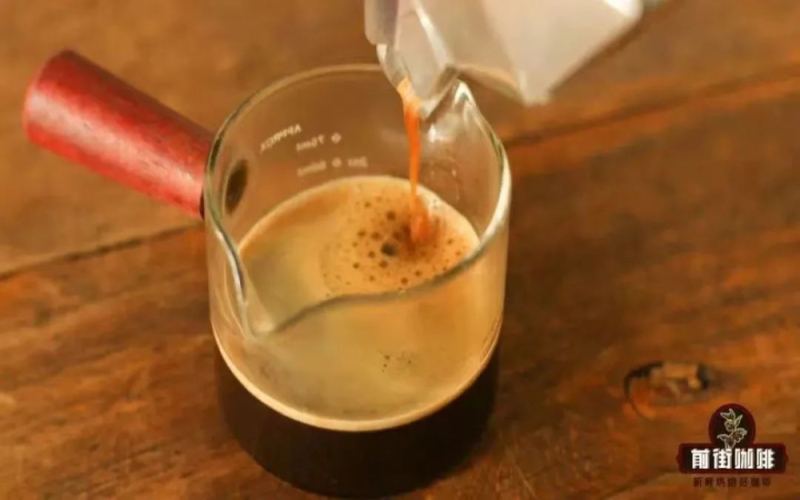
Does Moka Pot Coffee Count as Espresso? Tracing the True Origin of Crema Through the Evolution of Extraction Pressure
Both moka pots and espresso machines use pressurized extraction, so many people regard the moka pot as a home version of an espresso machine, and even believe that what it makes is espresso. But can the two really be equated? This article starts with the birth of the coffee machine and its pressure iterations, sorts out the process by which the definition of Espresso was established, and traces the evolution of the moka pot from its introduction in 1933 to the dual-valve version in 2020. You will discover that the pressure gap between 1~2 bar and 9 bar determines the essential difference in coffee concentration and Crema thickness. At the same time, it will also explain what kind of beans to choose if you want moka pot coffee to be richer and have more oils, and why the Front Street Coffee espresso bean series is suitable for home beginners. [more…]
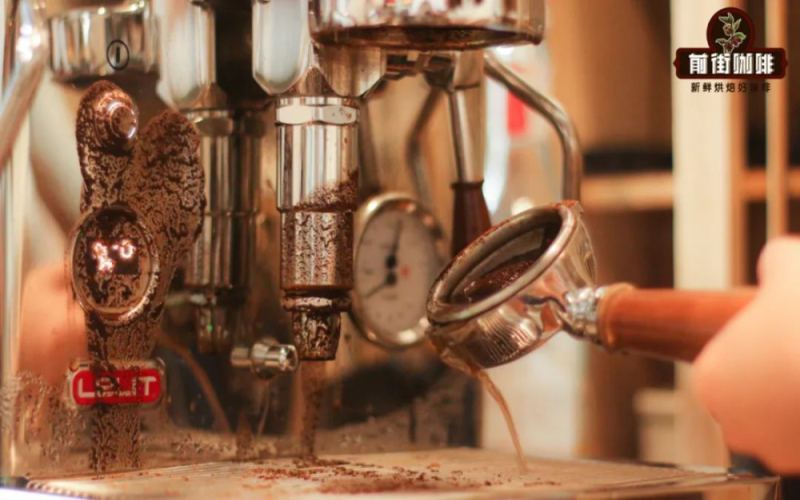
Why Does the Portafilter on an Espresso Machine Blow Off? Common Causes of Uncontrolled Extraction Pressure and How to Prevent Them
Front Street Coffee recently noticed that many coffee enthusiasts, when operating espresso machines, make some improper movements that cause the portafilter to suddenly fly out of the group head during or even after extraction, creating a scene that is both embarrassing and dangerous. This kind of machine blowout can, at best, dirty the equipment, and at worst, injure someone. What exactly causes the portafilter to be "blown" out? In this article, Front Street Coffee sorts out three common scenarios—when removing the portafilter, during espresso extraction, and when cleaning the coffee machine—analyzing one by one the causes such as improper pressure release, grinding too fine, overdosing, and not locking the portafilter tightly, and offering corresponding prevention and operating suggestions to help you enjoy espresso safely and steadily. [more…]
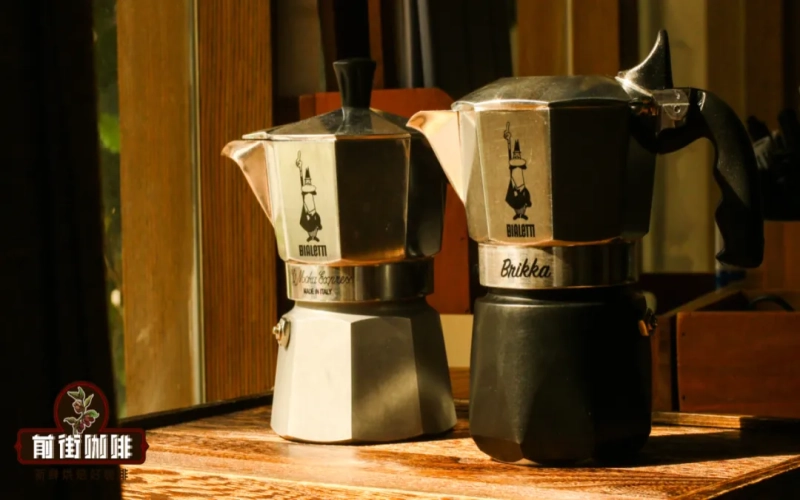
Analysis of the Differences Between Single-Valve and Dual-Valve Moka Pots: Extraction Principles, Pressure Mechanisms, and Whether It's Worth Buying a Dual-Valve Model
When faced with the two types of moka pots on the market—single-valve and dual-valve—many coffee enthusiasts often find themselves unable to decide. They are neither clear on where the differences between the two lie, nor sure whether it is worth spending extra on a dual-valve model. From the perspective of Front Street, this article first breaks down the basic structure of the moka pot and the principle of steam extraction, then explains the pressure changes that come with adding a pressure valve at the outlet of the dual-valve version, and how these changes affect coffee strength and extraction efficiency. After reading, you will understand: the dual valve is not a gimmick—it really can bring the output closer to espresso, and when making a latte, the milk flavor is less likely to overpower the coffee's own taste. [more…]

Why Moka Pots and Espresso Machines Produce Thin Crema: The Nature of Crema, Carbon Dioxide, and Pressure Explained
Many friends who use moka pots or espresso machines run into the problem of thin crema in their espresso. In fact, what we call "coffee oil" isn't real oil at all, but an emulsion-like foam called crema, formed when coffee lipids wrap around carbon dioxide bubbles. Two core factors affect how rich the crema is: the carbon dioxide content of the coffee beans themselves, and the pressure applied during extraction. Carbon dioxide content depends on roast level and freshness, while pressure is closely tied to dose and grind size. This article breaks down the reasons for thin crema one by one, explains why the amount of crema doesn't directly equate to coffee quality, and recommends Front Street Coffee beans suited to moka pots and espresso machines, helping you adjust your extraction approach accordingly. [more…]
How fine should the grind be for AeroPress standard (positive pressure) brewing? Extraction comparison and flavor analysis of three grind sizes
The official recommended method for the AeroPress is actually the standard (upright) brewing orientation, but many coffee enthusiasts are more familiar with the inverted method. So how should you choose your grind size for standard orientation brewing? And what flavor differences do different grind sizes bring? In this article, we use Front Street Coffee's Panama Washed Butterfly as the test bean, selecting three grind settings—BG 5M, BG 5R, and BG 6M—and conduct a standard orientation brewing comparison while keeping water temperature, coffee-to-water ratio, and technique fixed, evaluating each one across aroma, acidity, sweetness, cleanliness, and other dimensions. The conclusion: just like the inverted method, standard orientation brewing can reference the grind range used for pour-over, and the unique oily mouthfeel and smooth texture that come from pressure extraction are exactly what makes the AeroPress so appealing. [more…]